
By Barry Coughlan
History has a strong place in the story of Ireland and the events of 1798 in Ireland are among that, after being flamed by the revolutions that took place in France and America.
Last week I wrote mainly about the physical delights of Wexford and the pristine beach resorts in an area known as the sunny south east of Ireland.
Of course too, there was inevitable emphasis put on the proud history of the county but, equally inevitably, not enough space to do that element full justice.
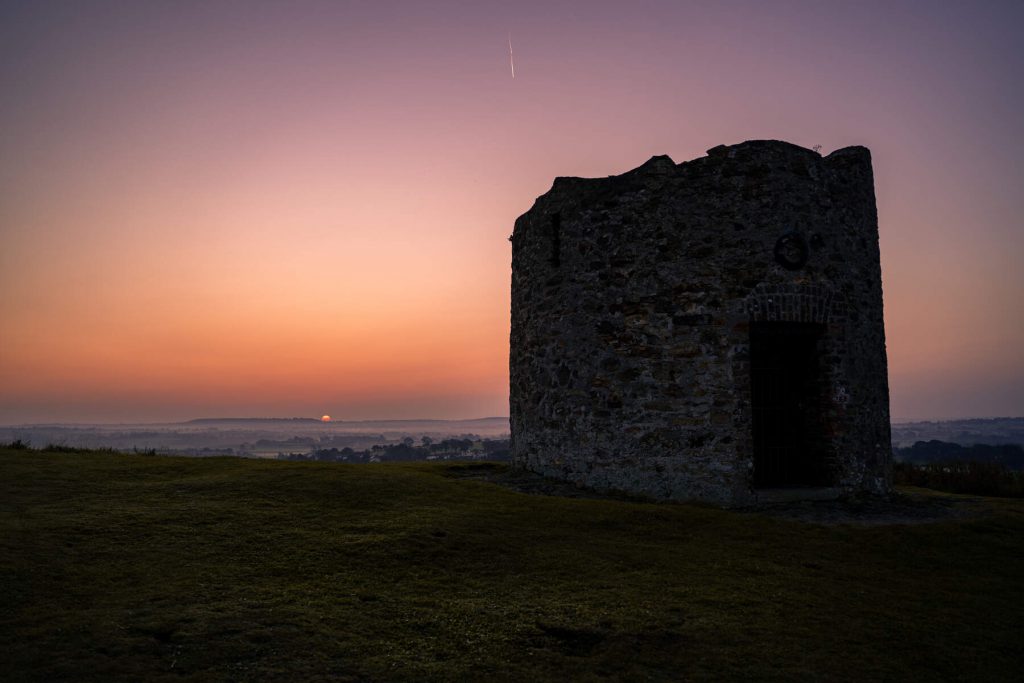
The National 1798 Rebellion Center is dedicated to the 1798 Rebellion, as a tribute to the events that took place on Vinegar Hill at the top of Enniscorthy town.
During the time, County Wexford was at the forefront of the 1798 rebellion against the English rule which saw the massacre of local loyalists, held by the rebels, executed on the bridge in the center of Enniscorthy.
Visit The National 1798 Rebellion Center to endeavor on a journey of ‘what was,’ meeting key men that became strong figures in the 1798 Rebellion.
Learn about the weapons used from that period, as well as exploring Enniscorthy and Vinegar Hill with 4D art of the Vinegar Hill Experience, along with much more.
Overlooking the historical town of Enniscorthy, the hill remains intact to some extent, with breathtaking views over the town and its hinterlands.
As the most famous site of the rebellion, the hill saw 20,000 rebel soldiers; men, women and children face a total of 10,000 crown forces battle to defend the ground.
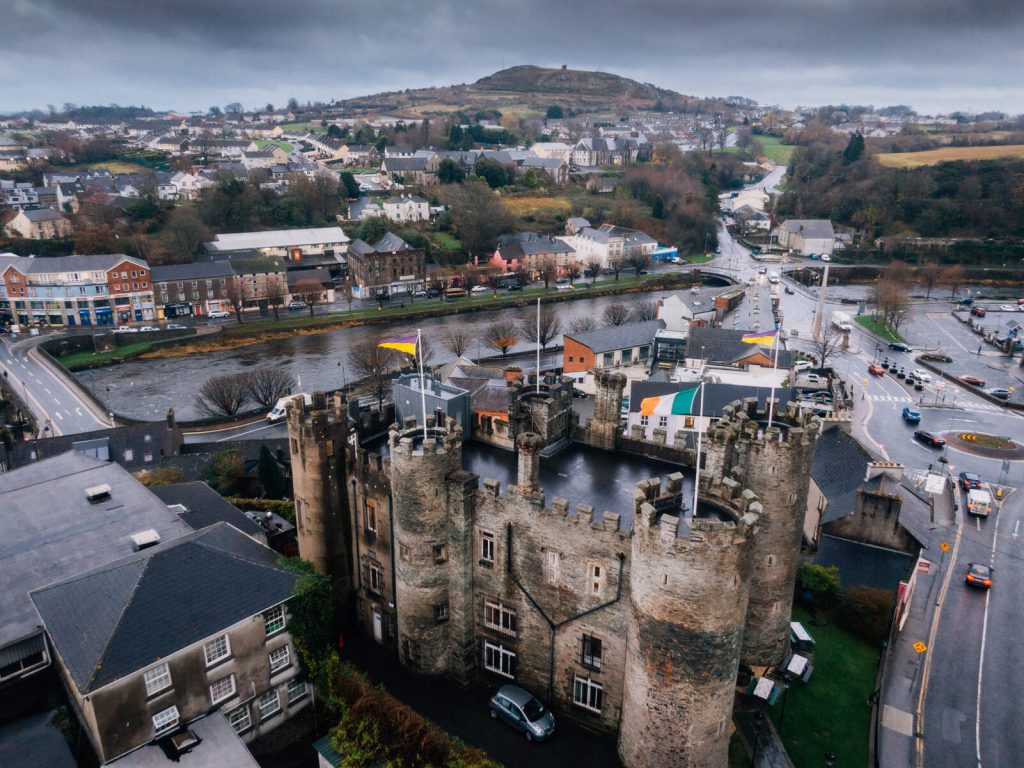
As the focal point of Enniscorthy Town, Enniscorthy Castle has intact its roots since the 13th century, with restoration and updates often happening to ensure its well being as one of County Wexford’s many historic attractions.
The castle now operates as a visitor attraction and experience center which showcases an abundance of pieces from Irish history.
Besides the castle’s rooftop views over the historical town, and its ground floor covering history from the 1600s with many interactive exhibitions, the castle in itself has been home to Norman Knights, English armies, Irish rebels and prisoners, and local merchant families.
While Vinegar Hill has a significant place in the history of The National 1798 Rebellion, Oulart Hill was also a contending battlefield like many across the country at the time.
Now, the hill has many a mention in various Irish traditional songs to commemorate the battle of 1798, such as the famous ballad’Boolavogue, which was written to remember the Easter Rising in 1916, where a small rebellion took place in the town of Enniscorthy.
Today, the 1798 battlefield upon Oulart Hill, contains three walking trails. History stands with the area and the atmosphere as pods with the hill’s story explained through time.
Wexford Town was situated in the most prime and strategic location for the Vikings to raid and settle in the area in the 9th century. Its place as a town sitting in the mouth of the River Slaney and overlooking the harbor made it a pivotal spot for those seeking out enemies and intruders.
Central to the town, the Bull Ring was a place of a cruel sport in the 1600s. The sport at the time was known as bull baiting and became outlawed by the Cruelty to Animals Act of 1835. The Bull Ring, is surrounded by shops, restaurants and markets.
St. Iberius Church on Wexford town’s Main Street is believed to have been situated on the head of a Christian site which interestingly dates back to before St. Patrick came to Ireland.
Selskar Abbey which is a part of Westgate Heritage Tower, is a 12th century structure which replaced a temple which dates back to pre-Christian times.
Built on the ruins where the first Anglo-Irish peace treaty was signed by Diarmait Mac Murchada in 1169, the site remains one of the many popular tourist attractions in the county.
While Curracloe Beach is renowned for its place among Ireland’s top beaches for its beautiful 250km of coastline, it is also famous for its appearance in Steven Spielberg’s 1998 Oscar winning film “Saving Private Ryan.”
The opening scenes in the movie which depicted the D-day assault on Ohama Beach were filmed over two months in 1997 and the reason Curracloe was chosen for filming was because it was most similar to Ohama Beach in Normandy.
It is estimated that a total of over £6 million was boosted into the Irish economy as a result.
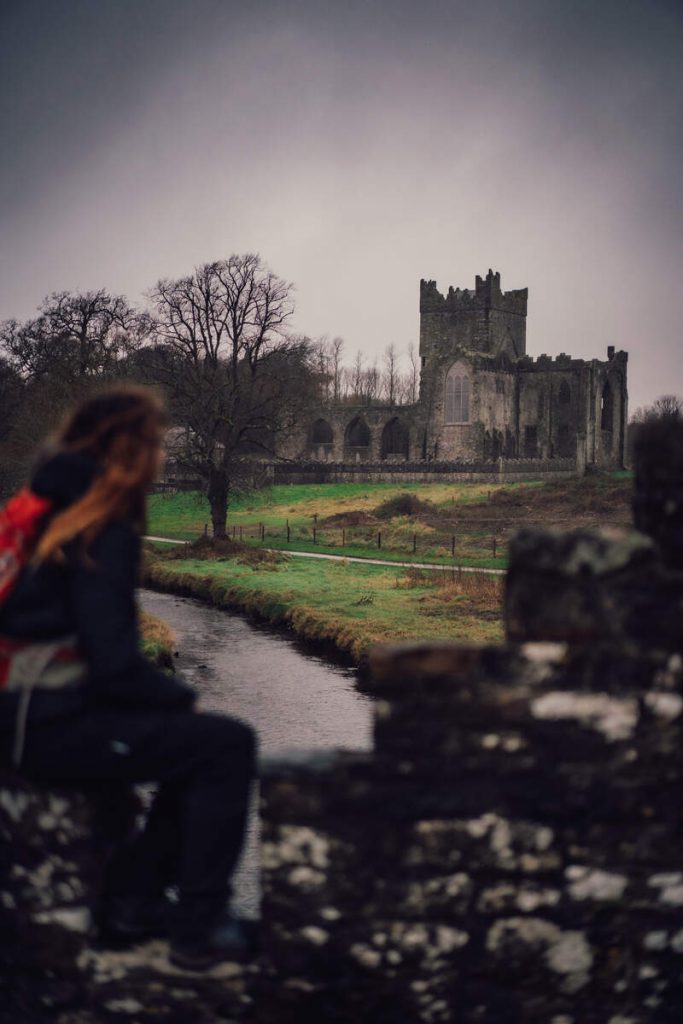
Tintern Abbey was one of the many religious houses that were dismissed by Henry VIII between 1536 and 1541. Circa 1200, the abbey was originally founded by Knight William Marshal with his impact on the south-east of Ireland a vital role.
Marshal founded the Abbey for the Cistercian order in which the monks lived and worked thereafter.
Over the centuries, Tintern Abbey housed knights, monks, scoundrels, lawmakers, lawbreakers, custodians and more.
Now, the Abbey welcomes visitors to learn more, with rich insights into the history and beautiful views from the Colclough Library over Bannow Bay.
Past president of the United States, John F. Kennedy’s grandfather Patrick Kennedy was born in New Ross, County Wexford which explains the 35th president’s connection to the cornerstone of Ireland’s Ancient East.
In the mid 1800s, President Kennedy’s grandfather emigrated from Dunganstown, New Ross, to the United States of America and president Kennedy visited the town of New Ross in June 1963.
With such close connection and rich history behind the story, New Ross is home to many places of commemoration and memorial monuments dedicated to the president.
These include the Kennedy Homestead, the Irish American Hall of Fame which holds centerpiece in the Dunbrody Famine Ship Experience, as well as the JFK Arboretum.
Like Tintern Abbey, Dunbrody Abbey was one of the many religious houses that were dismissed by Henry VIII between 1536 and 1541, and is a wonderful example of a 12th century Cistercian Monastery.
Founded in 1170 after the Norman invasion of Ireland, and completed around 1220, the lands surrounding the Abbey became a grant of Herve de Montmorency, to the monks of Bildewas in Shropshire.
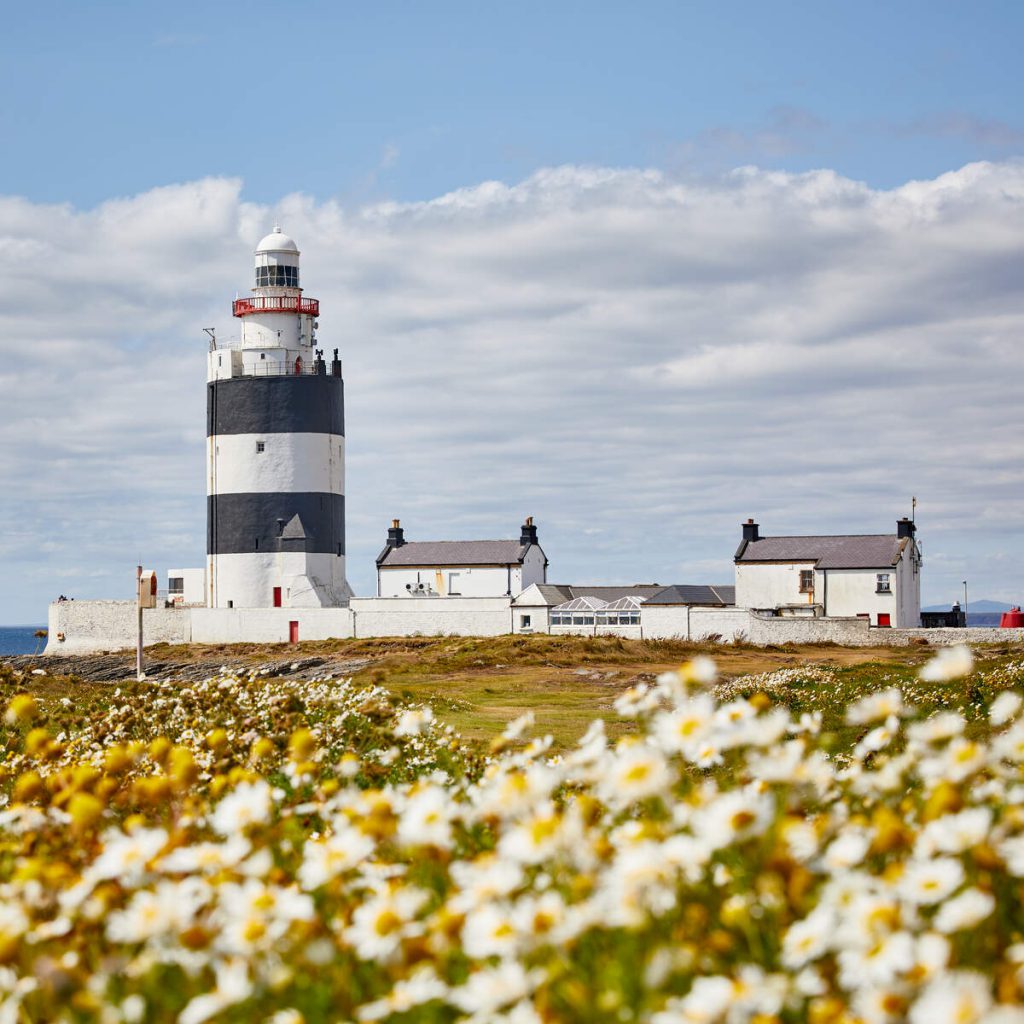
After being built in the 5th century, and standing as one of the world’s oldest lighthouses still operating, Hook Lighthouse is listed as one of the top 14 attractions in Ireland by the Lonely Planet, and rightly so.
Originally, locals would light a fire to warn incoming mariners, until the early 1200s when William Marshall, a brother in law of Strongbow, built the tower as he had already set up a port in New Ross and needed the guide.
A group of monks from a nearby monastery were the first custodians of the lighthouse and while they aided the construction of the lighthouse, they are also believed to have warned the sailors about the danger of the Hook peninsula by lighting beacons of fire.
With visitors marching each and every one of the tower’s 115 steps to indulge in the history of the lighthouse through time, it’s certainly an experience worth looking into.
As one of the spookiest houses, and supposedly the most haunted in Ireland, Loftus Hall, which sits on the Hook Peninsula, is an attraction all by itself.
Visitors to Loftus Hall will hear the full story and endeavor on the most haunted building in Ireland. Take the 45-minute interactive guided tour through the abandoned mansion, and hear all about the grim and troubled history of the Hall and experience a re-enactment of the famous card game with the dark stranger that is known today as “The Legend of Loftus Hall”.
The magnificent estate overlooking the sea also features gorgeous walled gardens across 5 acres.
Some of this week’s necessary information and suggestions came courtesy of www.visitwexford.ie. More information is available at www.discoverireland.com/irelands-ancient-east.