
 Sinn Féin has targeted insurance and childcare costs in their alternative budget proposals for 2020.
The budget, which will be launched on Tuesday but has been seen by the PA news agency, will seek to lift the tax-free status on banks, and close loopholes to put the state’s finances into surplus.
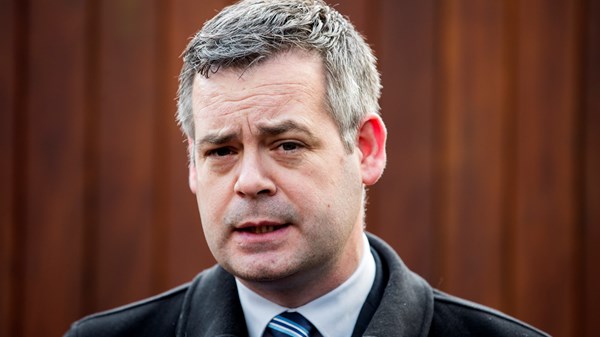
Drafted by the finance spokesman Pearse Doherty, the document advocates for an additional expenditure of €3.54 billion beyond the €2.1 billion already committed for 2020.
Mr Doherty has taken a critical look at the insurance industry and rising premiums, and proposes to “tackle the rip-off” by reducing all non-life insurance premiums by 5% by abolishing two government levies, and introducing an Insurance Consumer Contract Bill which would increase protection.
The party would also extend the national claims database to employer and public liability insurance.
Mr Doherty said rising premiums feed into expense in other areas, including childcare, after it was revealed last week that Ireland had the highest childcare rates in Europe.
Sinn Féin would introduce a five-year program of childcare reform, spending €85 million in the first year. It would introduce state funding for childcare centers and creches that agree to a fee cap, with the party predicting it would reduce rates by €100 per month per child in 2020, and by two-thirds in five years.
Although the document says Brexit is a real and ongoing concern, it adds that cannot be used as an excuse for the government to neglect domestic issues.
A stabilization fund, financed with €2 billion, has been allocated in the event of a no-deal Brexit, a departure from the Government’s Rainy Day Fund which documents have already confirmed will not be spent to help with Brexit fallout.
A wealth tax for the richest 0.25% in the state, at a rate of 1% on the amount of wealth held over a million euro, would aim to generate €89 million, and a 5% high income levy would be introduced on people with an income over €140,000, generating €345 million.
Tax credits on incomes over €100,000 up to €140,000 would also be tapered out.
A Sinn Féin budget would also increase stamp duty on commercial property to 10%, to encourage construction companies to build more houses instead of hotels or other commercial property, generating €376 million.
The banks would also take a hit under a Sinn Féin government, with an immediate end to the corporation tax break for banks, and an additional increase to the bank levy, resulting in an extra €20 million.
The party would look to give a month’s rent relief to all those renting, and phase out the local property tax.
The party says it would build an additional 8,700 homes on top of the Government’s housing plan, with additional funding for domestic violence refuges.
The party plans medical cards for all cancer patients, an end to hospital parking charges and bringing laboratories back in-house, to avoid any further issues around screening patients in light of the CervicalCheck scandal.
Mr Doherty said the alternative budget would give working people and families a break.
“The reality is whether you make no income or high-level income, under this budget you would get two free GP visits a year, and your childcare costs would reduce by €100 a month in the first year,” he said.
“The insurance market isn’t working, customers are seeing their premiums spiral and businesses are closing across the state.
“Sinn Féin would tackle insurance costs by scrapping the levies on non-life insurance, putting €230 million back into policyholders’ pockets.
“We are going after the industry by making my Customer Insurance Contracts Bill law and by ending price discrimination by the industry.
“For years the big banks have enjoyed a multibillion-euro tax break, bailed out by the people, they have avoided paying tax by offsetting historic losses against massive profits.
“Sinn Féin would end this loophole and make sure the banks pay their fair share so that workers and families are given a break.
“There is no excuse to extend this tax break for the banks when ordinary people are facing so many challenges.”