
By Barry Coughlan
Living on the Western Road in Cork for all of my formative years had me convinced early on that the long road was the direct way into the city (10 minute walk) and out, for miles, and miles and miles.
In this edition of our journey through Ireland, I’ll be reflecting on the miles and miles part, on the rural beauty of Cork which is all what we Corkonians claim it to be.
Yes folks, the Rebel County which is better known as the Republic of Cork, is the biggest and the best County of the 32. Having got all of that boasting out of the way and alienated the (few) dissenting voices, let’s dwell on the sheer size of the county, which is only sizeable by Irish standards of course!
Travel from the city to Mizen Head, Ireland’s most south westerly point (as opposed to westerly), is the bones of 80 miles, and given the nature of country roads it will take just over two hours driving stretched to four or five when you get sidetracked (as you undoubtedly will) along the way.
Make it at least a day trip to remember in order to exact full value from the wild scenery along the way, and don’t avoid the temptation of not making many stops.
Even as a small child I was out there exploring a big part of what is now known as a vital component of the Wild Atlantic Way. Happily, I have some great memories of visits west through Bandon to a plethora of town and village destinations, to beaches, coves, crossroads, and to the magical beauty of the islands.
I was fortunate that my late father was a journalist before me and although travel abroad was a rarity in those days – my parents did manage a couple – Ireland was the place and summer was the time to explore.
Always on the move; he wrote a widely-read column entitled ‘Mainly About People’ in the then Cork Examiner, and he managed to travel to the highways and byways of Cork and other counties, mostly in Munster. As the youngest (by a good few years), I usually tagged along for the ride with him and my mother sometimes but virtually always in the company of a photographer.
The boredom of long car journeys (anything over an hour) was worth it for the freedom and fun – boat rides, visits to rabbit farms, etc, etc – I had along the way and the stops for food there and back. Those days are now sweet memories.
In my young adulthood, I tended to gravitate west for day trips and often it was in pursuit of relaxation and sun-soaking on one of the many beaches such as Garretstown, Inchydoney, Red Strand, Owenahincha, Tragumna or even the more far-flung destinations of Barleycove and Allihies.
In later years there were often overnight stays somewhere. I had a handy two-man tent that could relatively easily (very hard by today’s standards) be erected somewhere close to the beach, to a shop or preferably in the back garden of a pub!
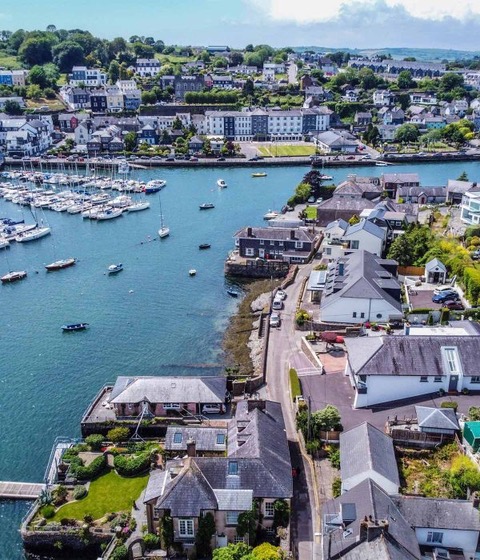
The magic of West Cork is that there’s always something more to see and do along its spectacular coastline. The glorious seascape between Kinsale and Skibbereen and further on is peppered with dramatic forts, lighthouses and arresting views around virtually every bend.
Kinsale is right at the start/end of that heavily publicized and widely travelled Wild Atlantic Way which is coming back into its own after so many Covid lockdowns and restrictions over the past two years and more.
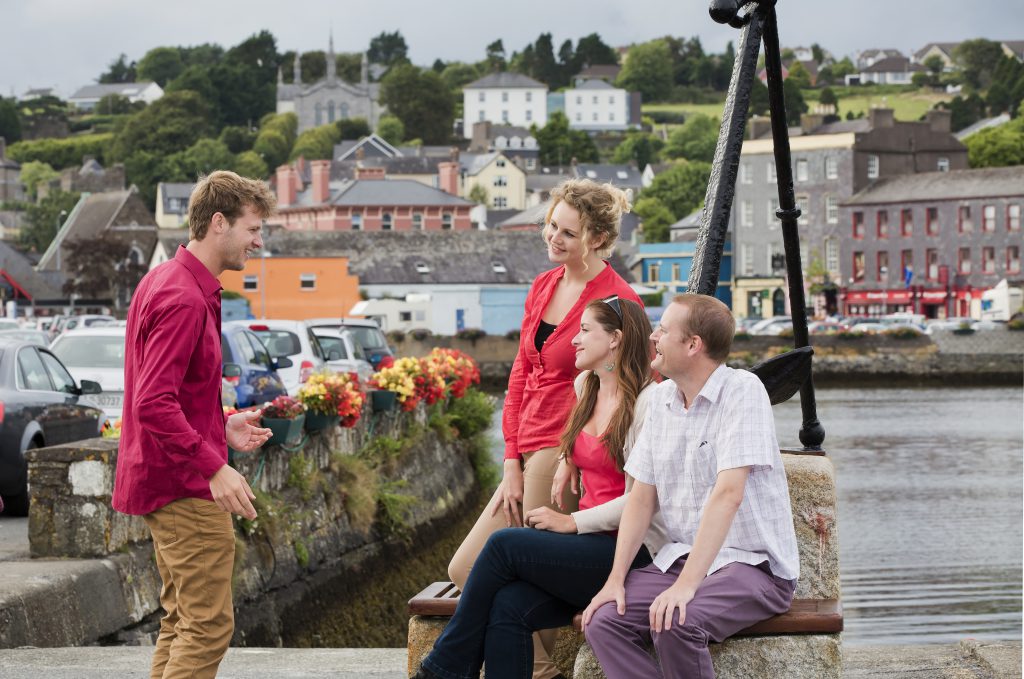
Kinsale, ah yes; it’s a wonderful place to visit for the tourist, and it’s another destination that holds beautiful memories for thousands of Corkonians over the decades.
On a visit to the bigger Newport, Rhode Island, some years ago, I was taken by the similarity between the two towns. Guess that’s why there is a twinning arrangement between both.
On a calm day, the harbor in Kinsale reflects colorful shop fronts and historic buildings like a picture perfect postcard. Night time is reserved for one of the many top class restaurants that have helped give the town a reputation as the foodie capital of Ireland. And for those on a really tight budget, there’s even a high-class fish and chipper (Dino’s) bang slap in the middle of town.
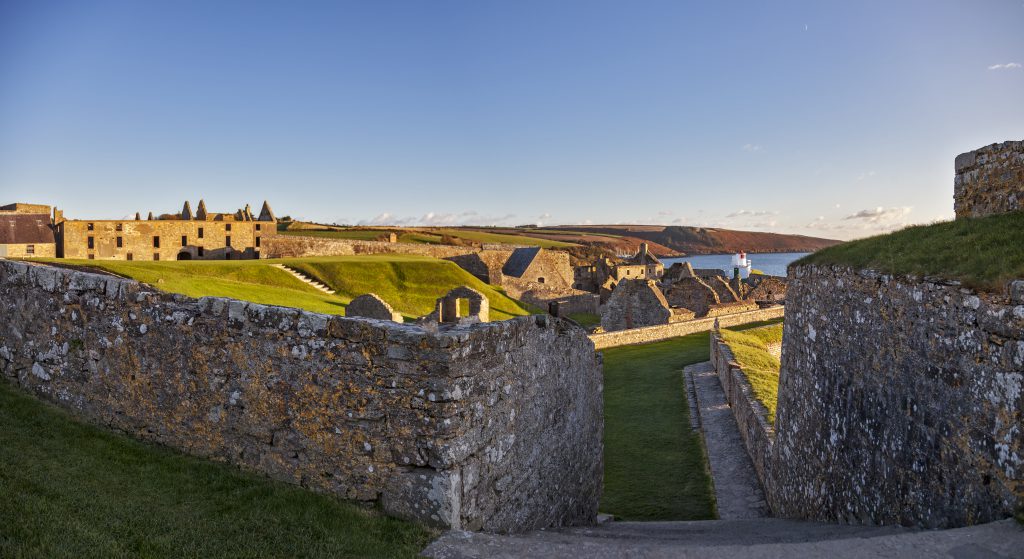
If forts are of interest – even if they’re not – Charles Fort, with a stop in the Bulman restaurant/pub in Summercove is a must-see visitor experience, a star-shaped military fortress that was constructed in the 1600’s.
Tourists can take harbor cruises, go on deep sea fishing expeditions, and, if money is no object, a round at the Old Head course provides a unique golfing experience; it’s a course that has been described as offering one of the most sought-after golfing experiences in the world.
Further west, Clonakilty is a vibrant and colorful town and a real must-see on your trip. True to another West Cork tradition – great food with a distinctly local flavor – ‘Clon’ also enjoys a special place in Irish history as the birthplace of Michael Collins, who is remembered in the Michael Collins Centre on the road to Timoleague.
Whether a guest at Inchydoney Island Lodge and Spa or not, a trip west would be incomplete without a visit to the magnificent Inchydoney beach, if only for the view from on high, but a swim in the clear safe waters is also an experience to be cherished.
In my time exploring the west, a regular stop was in the lovely fishing villages of Glandore where I once spent a memorable day interviewing the legendary Irish/US businessman and Irish and Lions rugby player Tony O’Reilly, and Union Hall. This was where a genius businessman came to chill out.
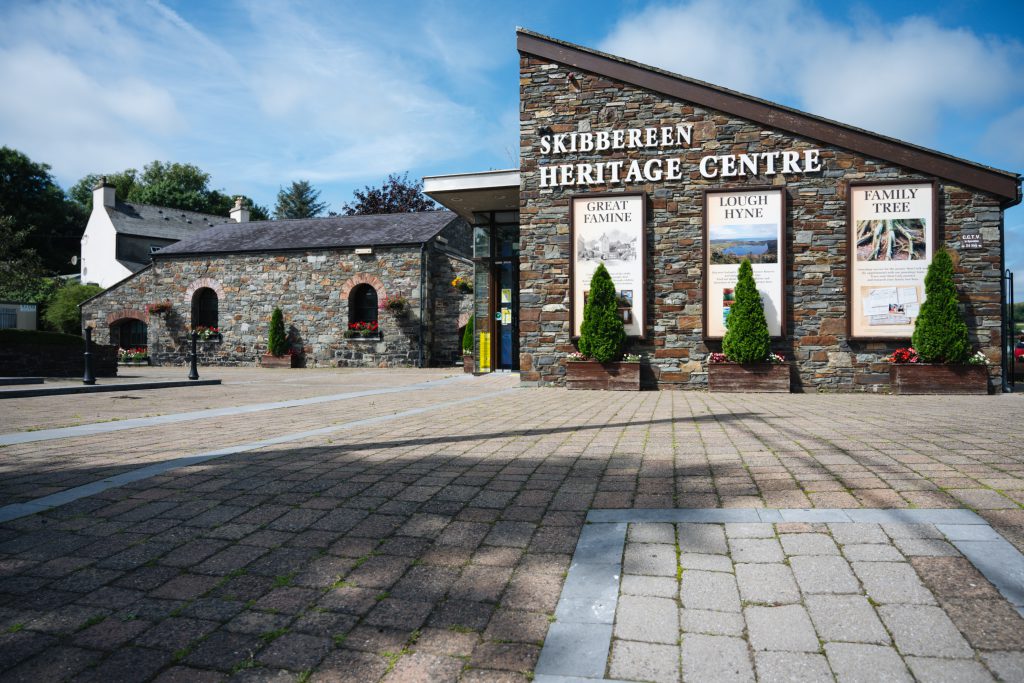
Skibbereen is the acknowledged capital of West Cork with colorful streetscapes and a buzz that’s palpable in the air. These days Skibb, as it’s affectionately known, is a great base to cycle parts of West Cork and you can rent equipment to take you on the way.
From there, further opportunity opens up. It’s no surprise that you could hike for days around Skibbereen given its stunning setting. Test your boots with The Lisheenacrehig Loop Walk, an easy 4.66 mile (7.5km) trail which winds past Kilcoe Church with its beautiful window designed by the renowned artist Harry Clarke.
Within a short distance from Skibbereen are the towns/villages of Schull and Baltimore.
Schull is the largest village on the peninsula… Set in the center of an area of outstanding natural beauty, the village is one of the loveliest in West Cork. The prevailing south-westerly winds come over more than two thousand miles of open sea and the air is marvellously clear and clean. The safe and welcoming harbor, the many islands off-shore and the Atlantic Ocean beyond provide an excellent base for water sports.
A focal point of the village is Cadogan Strand or Trá na Oileáin, which was transformed by celebrity gardener Diarmuid Gavin, gold medallist at Chelsea Flower Show, from a rough piece of land overlooking the beach to a contemporary garden space. Ideal for picnics, Cadogan’s Strand is maintained by a devoted group of locals.
Baltimore, translated at the Fort of the Jewels, is the main village in the parish of Rathmore and the Islands and it is the main ferry port to Sherkin Island and (my beloved) Cape Clear (Oilean Cleire) Island, and the eastern side of Roaring Water Bay and Carbery’s Hundred Isles.
That part of West Cork was my main stomping ground back in the day and provides me with many enduring memories, but I ventured regularly too to another peninsula through Bantry and Glengarriffe and on to the magical coastal village of Castletownbere, the perfect base for tourists to explore the unspoilt beauty of the Beara Peninsula’s flora and fauna and the many antiquities it has to offer.
Fishing is the chief economic activity in the town and has been since it opened up in a major way in the 1950s. Castletownbere is currently one of the five main Irish fishing ports. It is the largest whitefish port in the country and the second safest natural harbor in the world. It is also home to the Irish Fisheries Training School.
But tourism is also hugely important to the local economy and overnight stays are possible in a range of B&B’s both in the urban settlement and around the peninsula. Features of that peninsula and close by are a number of islands, Garnish and Whiddy in Bantry Bay, Bere Island just a mile offshore from Castletownbere and Dursey Island off the south-western tip of the peninsula.
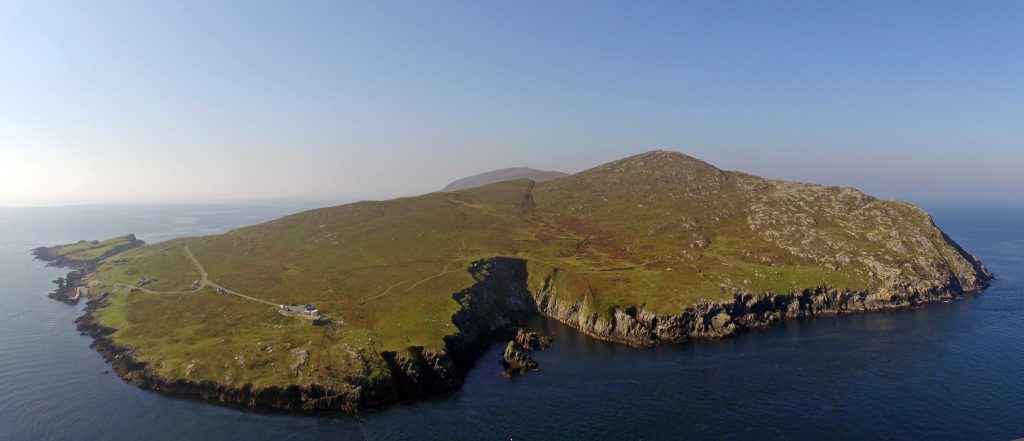
The latter island is separated from the mainland by a narrow stretch of water called Dursey Sound. This peaceful island is connected to the mainland by Ireland’s only cable car. The cable car which runs about 250m above the sea, takes six people or one-two large animals at a time! The island is part of the Beara Way walking trail and because there are no shops, pubs or restaurants it offers the day visitor a unique experience of calm, but with spectacular views of the Beara peninsula that is perfect for whale and dolphin watching. The cable car runs daily.
So there you have it – and it’s no wonder that West Cork is called ‘A Place Apart’. Nature sets the pace in this beautiful southwest corner of Ireland – stretching from Kinsale to those three rugged westerly peninsulas reaching into the wild Atlantic.
Right along the way you’ll find more open spaces, scenery and tranquillity than it is possible to take in during one visit. It is surely, as Failte Ireland point out, an adventure you’ll never forget.
And like me so many times, you’ll undoubtedly be planning your next visit before you finish the first.